Plenty of contractors will do your roof, your windows, your siding and your deck. Some do all of it well, but it's rare. For a roof, you're usually better off with a company that does roofing and nothing else: crews who install roofs every day, a yard stocked with the right materials, and the experience to spot the problems a part-timer misses. Here's why, plus the questions that separate a specialist from a generalist.
The short version
- A roof is a system (shingles, underlayment, flashing, ventilation), and many roofs fail because of how they were installed, not the materials.
- Specialists stock the right materials, have closer ties with manufacturers, and have already solved the problems your roof will throw at them.
- In Illinois, roofers must be licensed by the state. General contractors aren't licensed by state law, so ask who will actually do the roofing and check their license.
- Ask every bidder about flashing, ventilation, ice and water shield, the manufacturer's specs, and who you call if it leaks.
Should I hire a roofer or a general contractor?
Think of it like building a football team. You're scouting for a kicker, and a candidate says, “Sure, I'm a kicker, but I also play fullback, and I'm an exceptional quarterback.” That should raise an eyebrow. You want the person who has spent years getting every kick right.
Contracting works the same way. We're not saying a company that does roofing, windows, doors and decks can't be good at all of them. It's just uncommon. A roof looks simple from the driveway, but it's a system of layers, and every layer has its own details: how far up the ice and water shield runs, how the flashing laps at each wall, how air moves through the attic. A crew that does it every day gets those details right as a matter of habit.
Those details are where roofs fail. In our experience, about a third of the roofs we replace didn't wear out; they failed because of how they were installed. A roof put on by someone who does it a few times a year is a big bet on details you can't see from the ground.
What does a roofing specialist do differently?
- The right materials, on hand. A roofing company keeps a yard stocked with exactly what roofs need: the right flashings, vents, underlayments and matching shingles. Nobody has to improvise with whatever's left on the truck.
- Stronger ties with suppliers and manufacturers. Specialists buy more of the same products, know the manufacturer reps, and keep up with installation requirements as they change.
- Experience with the snags. Almost every roofing project runs into something: rotted decking, an odd roofline, a chimney with no flashing to speak of. A specialist has seen it before and knows the fix.
- Installation to the manufacturer's specs. This matters for your warranty. Owens Corning explains that a standard shingle warranty covers factory defects, not shingles that fail early because of installation mistakes. Its extended warranties require a contractor certified to install the system according to the manufacturer's requirements.
That's why we put so much into how our crews are trained. It's the subject of Training Roofers: the gaping hole in our industry.
Getting bids for a new roof?
Get one from a company that only does roofing. Ask us for an estimate. No pressure, no sales pitch.
What can go wrong with a non-specialist?
These four cautionary tales are illustrative examples, composites of the kinds of problems roofers are often called in to fix. They aren't specific Hamstra customers, but anyone who has worked in roofing service will recognize them.
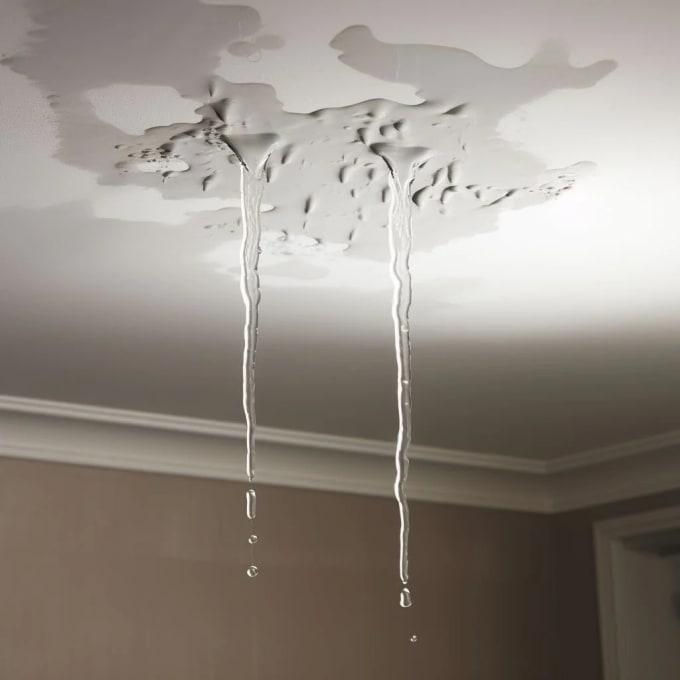
- The bargain that leaked. A homeowner saves money by having a general contractor add the roof to a bigger project. The first heavy rain finds leaks throughout the house. Now there's the roof to redo and water damage to walls and furniture on top of it.
- The all-in-one shortcut. A contractor who does roofing, siding and gutters installs a new roof without proper flashing or ventilation. Within months there are leaks and mold in the attic. The homeowner pays a second contractor to fix the roof and the damage, costing thousands more than planned.
- The deck builder's roof. A family hires a deck builder who says he can do roofs too. The deck is beautiful. The roof's ventilation is set up wrong, mold grows in the attic, and the cleanup becomes a remediation project.
- The patchwork roof. An interior remodeler patches a roof with a hodgepodge of mismatched materials. It looks bad, it doesn't hold up, and the homeowner ends up paying a specialist to replace the whole roof.
Notice what they have in common: flashing and ventilation, the parts of a roof you don't see from the street. Those are the details that come from doing nothing but roofs. (For why attic ventilation matters so much, see our post on attic ventilation and power fans.)
Does a roofer need a license in Illinois?
Yes. The Illinois Attorney General's office notes that roofers must be licensed by the Illinois Department of Financial and Professional Regulation (IDFPR), and that it should raise a red flag if a roofer doesn't have the required license. General contractors, on the other hand, aren't required by state law to be licensed, though your village may require permits or its own registration.
So if a general contractor is handling your roof, ask who will actually be doing the roofing work, and look up that company's license on the IDFPR website. The AG also recommends getting every term of the contract in writing and keeping a signed copy. Licensing rules can change, so check the current requirements with IDFPR or your village.
What questions should I ask a roofer?
- Is roofing all you do? If it's one service among many, ask how many roofs their crews install in a typical year.
- Can I see your Illinois roofing license and proof of insurance?
- Who will be on my roof, how are they trained, and who supervises the job?
- Will you replace the flashing, or reuse the old?
- How will you ventilate the attic? Ask them to explain intake and exhaust, not just “we'll add vents.”
- Where will the ice and water shield go? Our ice and water shield guide explains what code requires and what to ask.
- Will the installation qualify for the manufacturer's warranty? Get the warranty terms, and your contractor's workmanship warranty, in writing.
- Who do I call if it leaks in two years? A company with a service department has a real answer. (Here's why that matters.)
- Do you pull the permit? A reputable roofer handles it with your village.
Why Hamstra only does roofing
We're a family roofing company in Frankfort, roofing the south and southwest suburbs since 1978, and roofing is all we do. We eat, sleep and dream roofing. Almost every project runs into a snag somewhere, and after all these years, we've got the experience to make it work. Want to hear it from homeowners instead of from us?
Hear it from homeowners, not just from us.
Read what our customers say about the crews, the cleanup and the follow-through.
Questions we hear
Is it better to hire a roofing contractor or a general contractor for a new roof?
For most roofs, a roofing specialist is the safer choice. Specialists install roofs every day, stock the right materials, and know the flashing, ventilation and manufacturer requirements that general contractors may only handle occasionally.
Do roofers need a license in Illinois?
Yes. Illinois requires roofers to be licensed by the Department of Financial and Professional Regulation (IDFPR), and you can look up a license on its website. General contractors aren't licensed by the state, though villages may require permits or registration.
What should I ask a roofer before hiring them?
Ask whether roofing is all they do, for their Illinois license and insurance, who will be on the roof, whether they'll replace the flashing, how they'll ventilate the attic, what warranties apply, and who to call if it leaks later.
Does poor installation void a shingle warranty?
Standard manufacturer warranties cover factory defects, not shingles that fail because of installation mistakes. Extended manufacturer warranties generally require a certified contractor installing to the manufacturer's specs, so ask how a bidder's work qualifies.
Family-owned in Frankfort since 1978: estimators, service techs, crews and the office that keeps it all moving. Meet the team