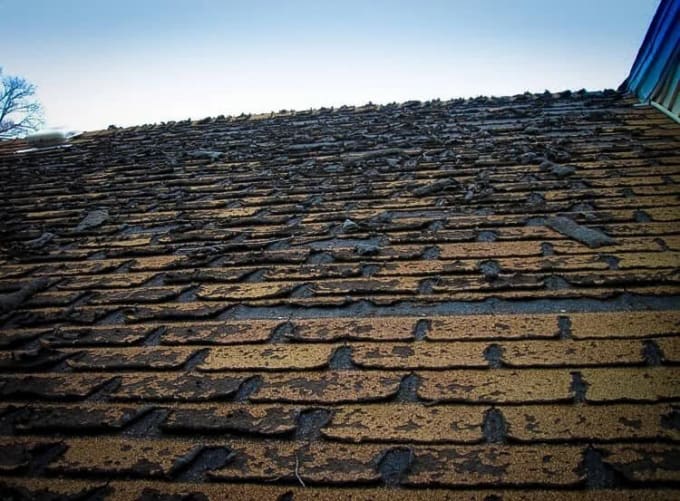
A shingle's 25- or 30-year rating describes the product, not your roof. Whether a roof reaches that number is decided mostly on installation day: how the attic is ventilated, how the valleys are built and how carefully the flashing is cut. Get those right and the shingles can age the way they were designed to. Get them wrong and a 15-year-old roof can need a major repair.
The short version
- Shingle ratings assume the roof is installed the way the manufacturer specifies, over an attic that can breathe.
- Poor attic ventilation bakes shingles in summer and rots the deck in winter. It's the most common hidden cause of early wear.
- Valleys and flashing are where workmanship shows. Sloppy cuts and badly placed nails there can lead to repairs costing around a fifth of a new roof.
- Ask any roofer how they'll handle ventilation, valleys and flashing before you sign.
What does a 25- or 30-year shingle rating actually mean?
It's a description of the shingle, usually tied to the manufacturer's warranty. It isn't a promise about how long your particular roof will last. Home inspectors who study roof aging list a long set of factors that shorten a shingle's life: heat, slope, sun exposure, shingle color, climate, maintenance, and how well the roof structure is ventilated.
Some of those you can't change. A south-facing slope takes more sun than a north-facing one, and dark shingles absorb more heat than light ones. But several of the biggest factors are set by whoever installs the roof, and those are the ones worth paying attention to.
It's also worth reading the warranty itself. Manufacturers' warranties generally assume the shingles were installed to their instructions, and damage traced to installation errors or poor ventilation may not be covered. Every warranty is different, so read yours.
Why do roofs wear out early?
When we're called to a roof that's failing years ahead of schedule, the cause is usually one of these, and often more than one:
- Ventilation that was never calculated. Someone swapped the old vents for new ones without checking whether the attic had enough intake and exhaust.
- Valleys built in a hurry. Shingles not wrapped or cut properly through the valley, or nails too close to the center, where the most water runs.
- Sloppy flashing. Old flashing reused, metal not tight to the wall, cuts that leave a gap water can find.
- Nailing errors. Nails placed too high, too low, too few or driven crooked. How nails are driven is critical to whether a shingle stays on the roof.
- Skipped underlayment details. No ice and water shield at the eaves or in the valleys, so the first ice dam or wind-driven rain gets straight to the deck.
15-year-old roof acting up?
We’ll find out whether it’s the shingles or the way they were installed, and show you photos.
How does ventilation shorten a roof's life?
Heat and moisture, one season at a time. In summer, a roof over an attic that can't breathe runs hotter. Home inspection training material from InterNACHI explains that poor ventilation shortens shingle lifespan by failing to keep the shingles cool, which speeds up the loss of the volatile compounds that keep asphalt flexible. The shingles dry out, curl and shed granules sooner.
In winter, the damage happens underneath. Warm, moist air from the house collects in a poorly vented attic, frosts onto the roof deck, and melts every thaw. Over a few winters that can rot the plywood, and rotted plywood turns a routine reroof into a much bigger job. One New Lenox homeowner described exactly that:
Our attic ventilation guide explains intake, exhaust and how much a roof needs.
What does an early failure cost?
Bad planning doesn't always mean a whole new roof. More often it means one expensive spot. Uncalculated ventilation, poorly wrapped valleys and sloppy flashing cuts can all lead to repairs that cost around a fifth of the price of a new roof.
Imagine that. Your roof is only 15 years old, the rest of the shingles look fine, and you need a new valley. All of a sudden you have a big project on your hands. We see it often enough that we wrote up one: a valley tear-out in Orland Park, and why valleys leak first.
What else affects how long shingles last?
Installation is the part you control when you hire a roofer. Nature handles the rest, and it's worth knowing which way your house leans:
- Sun and orientation. South-facing slopes take the most sun and the biggest swings between hot and cold, so they usually wear first. Don't be surprised if the back of the house looks older than the front.
- Shingle color. Darker shingles absorb more heat, which speeds up aging. It's a small factor next to ventilation, but a real one.
- Slope. Flatter roofs shed water more slowly and catch more direct sun, so they tend to have shorter lives than steep ones.
- Trees and debris. Branches scrape granules off, and leaves hold moisture in valleys and gutters.
- Storms. One bad hailstorm can take years off a roof in an afternoon. If you've had one, our hail and storm guide covers what to check next.
How do I make sure my new roof is installed right?
Ask questions before you sign. A roofer who does this well will be glad you asked:
- Will you calculate the attic ventilation? You want to hear intake and exhaust, and a number, not “we'll put new vents on.”
- How will you build the valleys? Open metal or closed-cut, with ice and water shield underneath.
- Will you replace the flashing? Step flashing and counter flashing at walls and chimneys should be new, cut and bent to fit.
- Where does the ice and water shield go? At minimum, the eaves and valleys. Here's how we go beyond code at the gutter.
- Who's actually doing the work? A trained crew is the difference between a roof that hits its rating and one that doesn't. It's why we care so much about training roofers.
Can I get more life out of the roof I have?
Often, yes. Keep gutters clear so water doesn't back up at the eaves. Have the attic checked for frost, damp insulation and blocked soffits. Fix small things early: a cracked pipe boot, a lifted shingle, a bit of flashing pulling away. They're usually simple repairs, and they're much cheaper than the water damage they prevent. Our leak and repair service handles exactly that kind of work.
The best thing about cold weather is a warm, dry, protected home. That starts with a roof that was put together carefully, from the deck up, by a roofer who stands behind the work.
Want a roof that lasts its full rating?
We’ll walk you through ventilation, valleys and flashing before you sign anything.
Questions we hear
Why is my 30-year roof failing after 15 years?
Most often it's installation: attic ventilation that was never calculated, valleys that were wrapped or nailed poorly, or flashing that was reused or cut sloppily. Sun exposure, shingle color and roof slope also play a part.
Does poor attic ventilation shorten shingle life?
Yes. An attic that can't breathe runs hotter in summer, which dries out asphalt shingles faster, and traps moisture in winter, which can rot the roof deck.
Does a shingle warranty cover early wear?
It depends on the warranty and the cause. Manufacturer warranties generally assume proper installation and ventilation, and damage caused by installation errors or poor ventilation may not be covered, so read the terms.
Can one part of a roof be repaired instead of replacing the whole roof?
Often, yes. If a valley or a section of flashing has failed and the rest of the shingles are sound, a targeted repair is usually the better value.
What should I ask a roofer to make sure my roof lasts?
Ask how they will calculate ventilation, how they build valleys, whether they replace all flashing, where the ice and water shield goes, and who on their crew does the work.
Family-owned in Frankfort since 1978: estimators, service techs, crews and the office that keeps it all moving. Meet the team